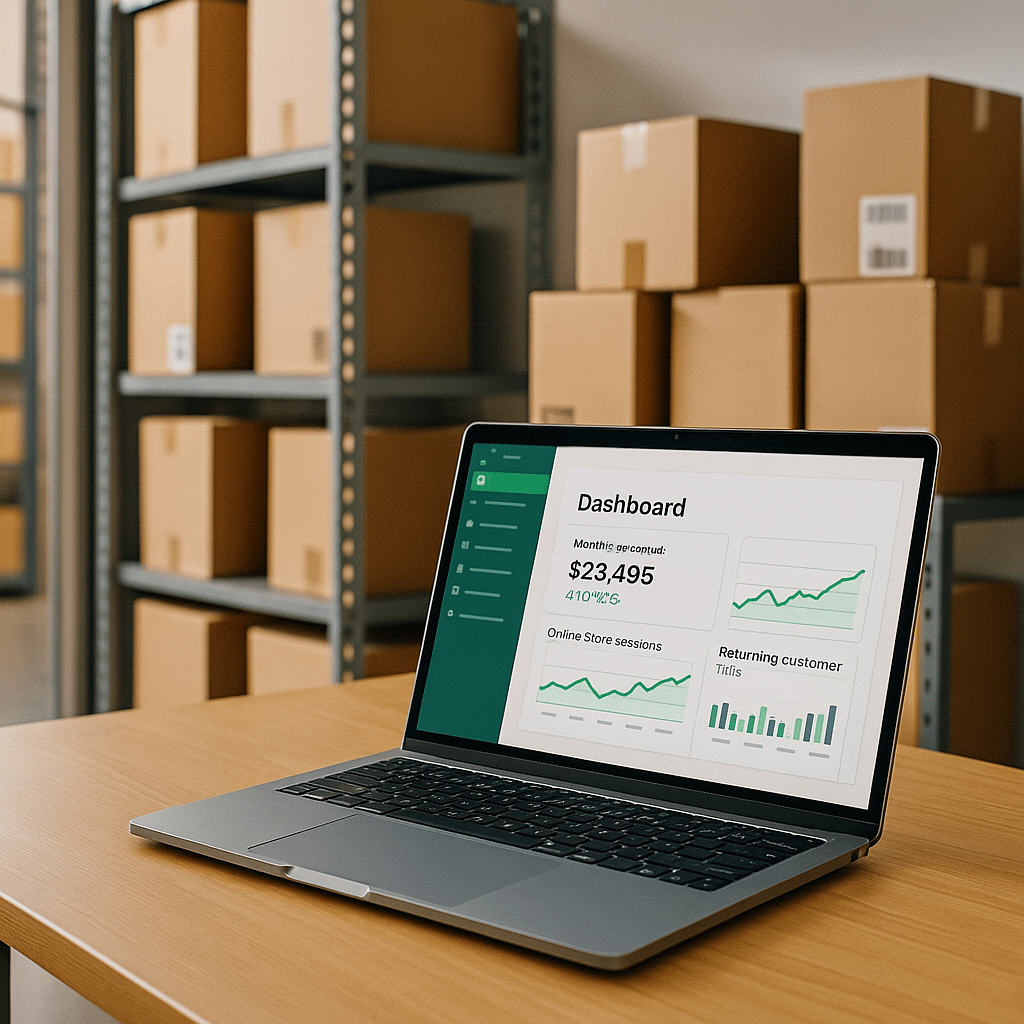
Running an e-commerce business used to mean selling through one platform and tracking one set of sales. Today, most brands sell through a mix of Shopify, Amazon, Walmart Marketplace, Etsy, eBay, and sometimes even retail or wholesale channels. Each of those platforms comes with different payout schedules, transaction fees, sales tax rules, and data structures. That complexity can make reconciling revenue feel like untangling a web of mismatched numbers. Yet without accurate reconciliation, your profit margins, tax filings, and investor reports are all at risk of being wrong.
For fast-growing e-commerce businesses, clean multi-channel accounting isn’t a nice-to-have, it’s the foundation of financial clarity and sustainable growth.
The Challenge: Multi-Channel Growth Brings Multi-Layered Complexity
Every sales channel has its own rhythm. Shopify might record a sale instantly, while Amazon may hold funds for several days before releasing payment. Marketplaces charge different fees, payment processors have varying deposit times, and refunds or chargebacks can appear days later.
When those transactions flow into your accounting software without structure, it’s easy for revenue to look inflated or understated. For example:
- Amazon deposits are net of fees, while Shopify reports gross sales
- Gift cards and store credits distort sales timing if not reconciled correctly
- Third-party payment apps like PayPal, Klarna, and Afterpay split settlements across multiple reports
Without reconciliation, founders often end up asking: “Why don’t my sales reports match my bank deposits?” The answer lies in building accounting systems that can translate data from multiple platforms into one accurate financial picture.
Step One: Centralize and Standardize Data
Why Centralization Matters
The first step in reconciling multi-channel revenue is establishing a single source of truth. That means connecting all sales platforms, payment processors, and bank accounts to your accounting system in a way that preserves transaction-level detail.
For e-commerce businesses, eCommerce Accounting Services designed specifically for online retailers can handle this process with the right tools and workflows.
What Centralization Makes Possible
Centralization allows you to:
- Track gross and net sales separately
- Attribute fees and refunds correctly
- Recognize revenue when it’s actually earned, not when cash is deposited
Standardizing your chart of accounts across channels ensures consistency so every product, region, or campaign maps cleanly into your financial reports.
Step Two: Match Deposits to Sales with Accuracy
How Marketplace Deposits Differ from Sales
Once all data is centralized, the next challenge is reconciling actual deposits to recorded sales.
For example, a $25,000 deposit from Amazon doesn’t equal $25,000 in sales. That deposit represents multiple orders, minus platform fees, refunds, shipping charges, and sometimes even advertising deductions.
What a Good Reconciliation Process Does
Reconciliation means breaking down those components and matching each one back to its source. This is where Fractional Controller Services play a crucial role. They implement automated reconciliation systems and review exception reports to catch discrepancies early.
Done properly, this process gives you full visibility into:
- Which channels are driving cash flow
- Where revenue leaks are occurring (like unclaimed chargebacks or unposted returns)
- How accurate your profit margins truly are
It’s a layer of control that most founders underestimate until they see what’s been slipping through the cracks.
Step Three: Account for Timing Differences
Why Timing Breaks the Numbers
E-commerce accounting isn’t just about recording transactions, it’s about recognizing them in the right period. Timing differences are one of the biggest causes of reconciliation headaches.
Common Timing Examples
- Pre-orders recorded as revenue before product delivery
- Subscription renewals processed automatically but covering future periods
- Sales taxes collected at checkout but remitted later
To avoid skewed financials, revenue needs to align with fulfillment and expense recognition. This is especially critical for investors or lenders reviewing performance.
Working with an experienced Outsourced CFO ensures that revenue timing aligns with accounting standards and cash flow realities. This kind of oversight transforms your financials from reactive to strategic.
Step Four: Separate Fees, Discounts, and Returns
Why Fees Need Their Own Buckets
Each platform deducts fees differently. Some pull platform commissions directly from sales, others group them in end-of-month invoices. Then there are advertising costs, shipping label fees, and promotional discounts that all blur the true picture of gross versus net revenue.
What to Break Out
A structured reconciliation process isolates these line items so you can:
- See actual revenue versus marketing or transaction costs
- Identify profit by product or channel
- Forecast accurately based on real contribution margins
Once these factors are separated, leadership gains the clarity to make better pricing, budgeting, and growth decisions.
Step Five: Implement Automation Without Losing Oversight
What to Automate
Automation tools can drastically reduce manual work, but automation without oversight creates new risks. Smart systems can sync sales data daily, match deposits, and flag discrepancies automatically.
What to Keep Human
Even the best tools can misclassify transactions or overlook small mismatches that compound over time. That’s why many growth-stage companies partner with a Fractional Controller or Outsourced CFO who can oversee the process, review reconciliations, and adjust configurations as new channels are added.
When automation and human expertise work together, you gain accuracy at scale without losing control.
The Strategic Value of Clean Reconciliation
Beyond clean books, multi-channel reconciliation creates actionable insight.
With accurate, unified data, your leadership team can:
- Compare performance across platforms with confidence
- Calculate true customer acquisition costs by channel
- Identify which marketplaces produce the best margin
- Forecast growth scenarios based on real numbers
In short, reconciliation turns your accounting system into a decision-making engine instead of a historical record.
Common Mistakes E-Commerce Businesses Make
- Treating deposits as revenue. This ignores fees and timing differences that distort margins
- Mixing payment processors. Not tracking how Shopify Payments, PayPal, and Afterpay settle funds makes reconciliation messy
- Skipping monthly closes. Waiting until year-end to reconcile can lead to compounding errors that require costly cleanup
- Ignoring foreign currency adjustments. Selling internationally introduces exchange-rate differences that must be captured in accounting
- Failing to integrate systems. Manual imports between platforms and QuickBooks often lead to missing or duplicate data
Avoiding these pitfalls requires both structure and ongoing review, something an outsourced financial team can provide consistently.
When to Bring in Professional Help
If your business operates on more than one sales channel, manual reconciliation isn’t sustainable. As volume grows, even small mismatches between reports, deposits, and fulfillment data can lead to thousands in unreconciled cash.
Bringing in eCommerce Accounting Services or Outsourced CFO Services gives you access to professionals who:
- Build custom reconciliation workflows
- Monitor accounts weekly for discrepancies
- Ensure your reporting meets compliance standards
- Provide ongoing visibility into profitability and cash flow
For many online retailers, this partnership marks the shift from reactive accounting to proactive financial leadership.
Make Financial Clarity Your Competitive Edge
Reconciling multi-channel revenue streams isn’t just an accounting exercise, it’s a strategic advantage. Accurate data fuels better decisions on marketing, inventory, and pricing. It builds investor confidence, improves cash management, and creates the transparency needed to scale sustainably.
At Fully Accountable, we specialize in helping e-commerce businesses simplify complex financial operations. Whether you need day-to-day support through eCommerce Accounting Services, monthly oversight via Fractional Controller Services, or growth planning with Outsourced CFO Services, our team builds systems that bring order to the chaos of multi-channel sales.
Don’t let messy data limit your growth. Visit our pricing page to explore transparent options and discover how financial clarity can become your next competitive edge.